
Building energy grades explained, and why they matter to condo buyers
What the letter grade by a New York building's entrance measures, how Local Law 97 links it to your common charges, and what makes a new building efficient.
 Tom WhitakerSales Manager, Stonehouse Row
- Published
- Reading time
- 2 min
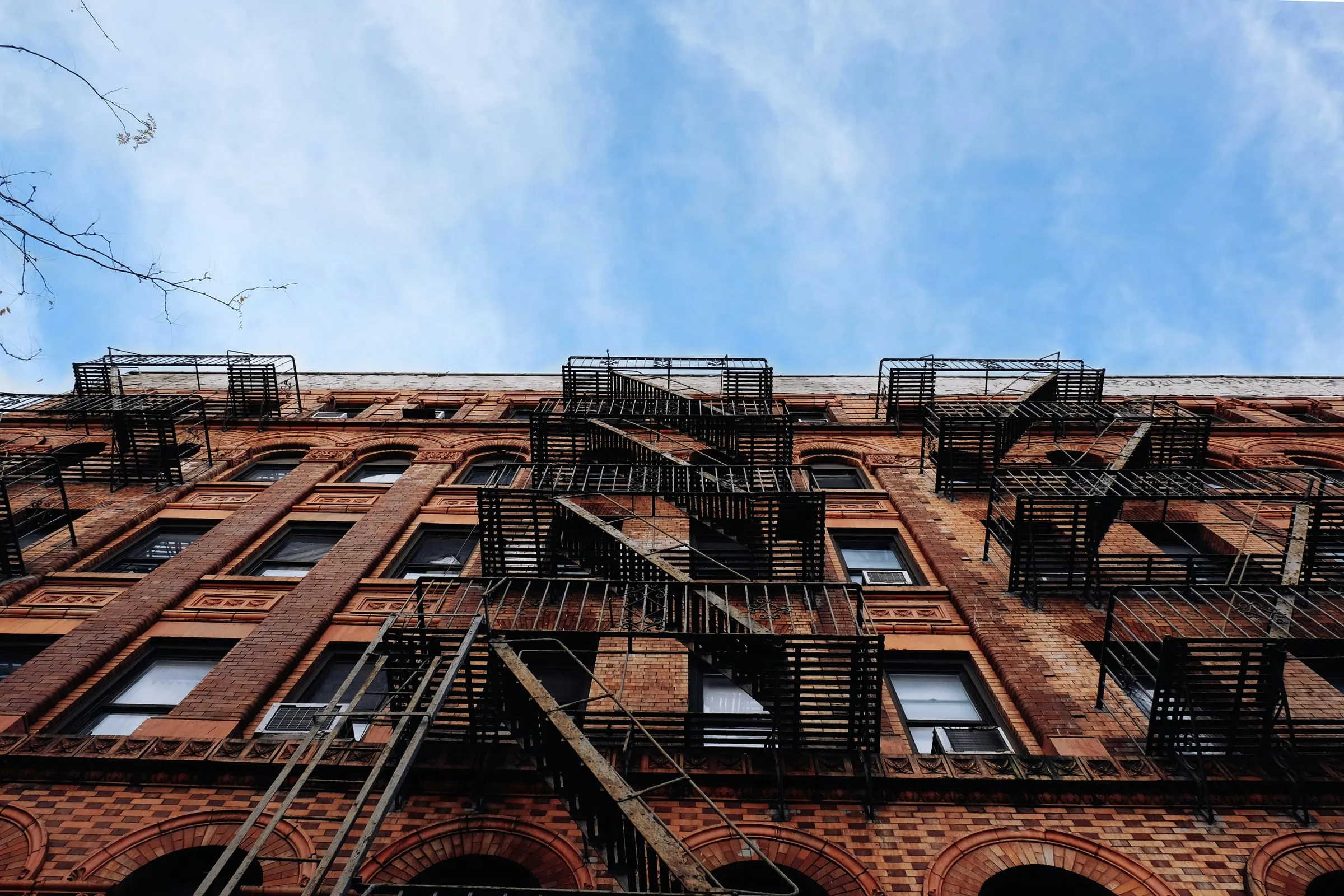
Most large buildings in New York City now post an energy grade by the front door, and buyers are paying more attention to it every year. Since Local Law 97 came in, a building’s energy use is no longer just a utility bill. It can show up in the common charges. Here is what the grade measures and what to ask when you buy.
What the grade measures
Buildings over 25,000 square feet report their energy and water use to the city every year. From that, each one gets an ENERGY STAR score from 1 to 100, and a letter grade from A to D that has to be displayed near a public entrance.
Unlike a lot of efficiency ratings, the grade is based on how much energy the building actually used, compared with similar buildings. A well-run building can improve its grade from one year to the next, and a badly run one can slip.
Why it matters for owners
Local Law 97 sets limits on the carbon emissions of most large buildings. The limits apply now and tighten from 2030, and a building that goes over them pays a fine. In a condo, that cost falls on the condominium, which means it reaches every owner through the common charges.
Older buildings with oil or gas boilers, single-pane windows and leaky facades face the hardest choices: expensive upgrades, or rising penalties. That is something buyers increasingly price in.
What makes a new building efficient
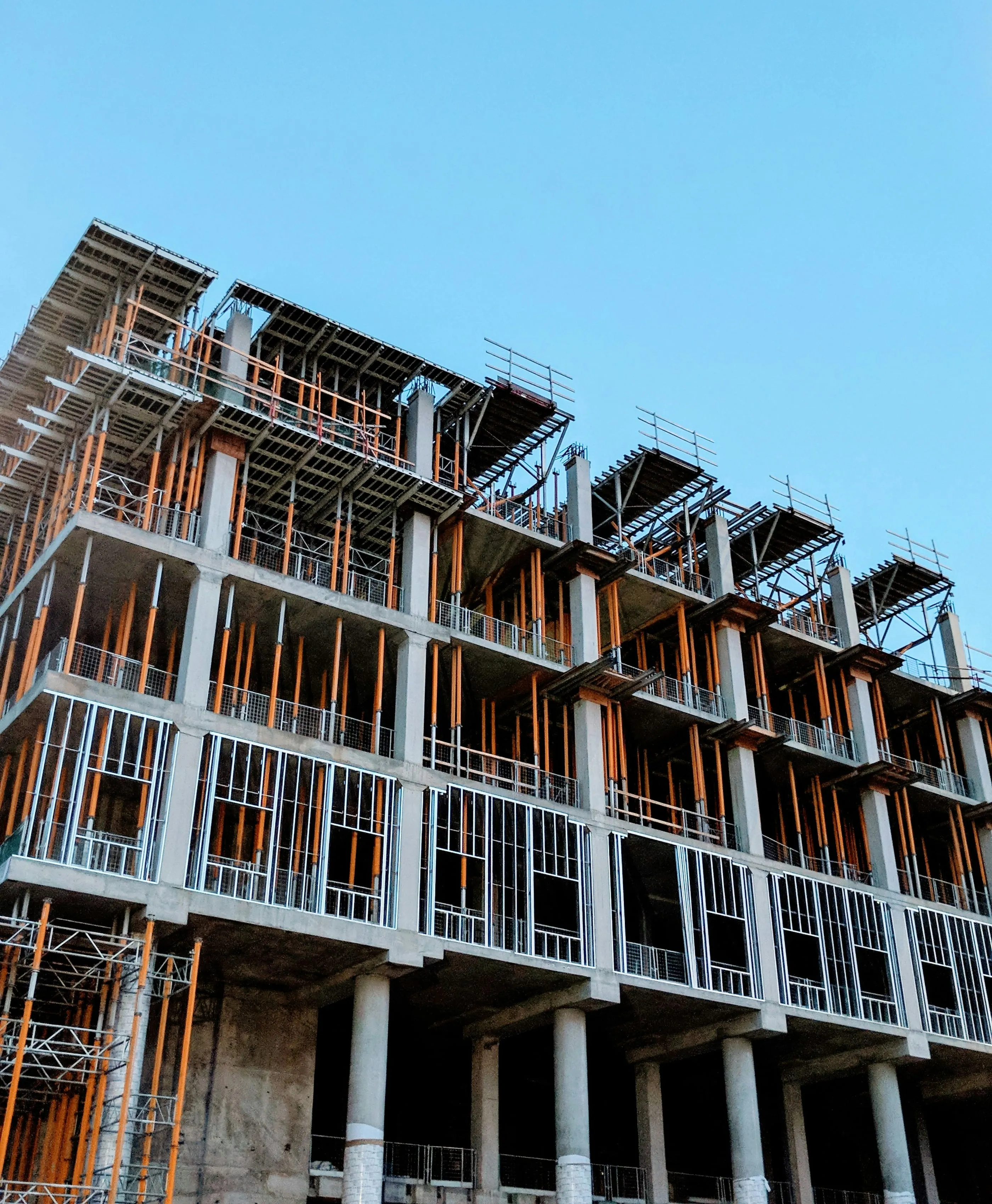
The biggest gains are designed in from the start. In rough order of value:
- The envelope. Well-insulated walls and roofs, and careful detailing at every window and balcony, keep heat where it belongs.
- Windows. High-performance glazing cuts drafts and noise as well as heat loss.
- All-electric heating and cooling. Heat pumps heat and cool each home with no boiler in the basement and no fuel burned on site.
- Fresh-air ventilation. Energy recovery ventilation brings in filtered air without throwing the heat away.
- Induction cooking and LED lighting. Small on their own, but they add up across a whole building.
Every Urbanform building is all-electric and designed to stay well inside the Local Law 97 limits, including the ones that start in 2030.
Reading the numbers when you buy
For a resale condo, ask for the building’s grade and its recent energy reports, and ask the managing agent whether the board has a plan for 2030. For a new building with no history yet, ask the sponsor what the energy model predicts and how the budget in the offering plan treats utilities. Your attorney can help you read both.
Written byTom WhitakerSales Manager, Stonehouse Row